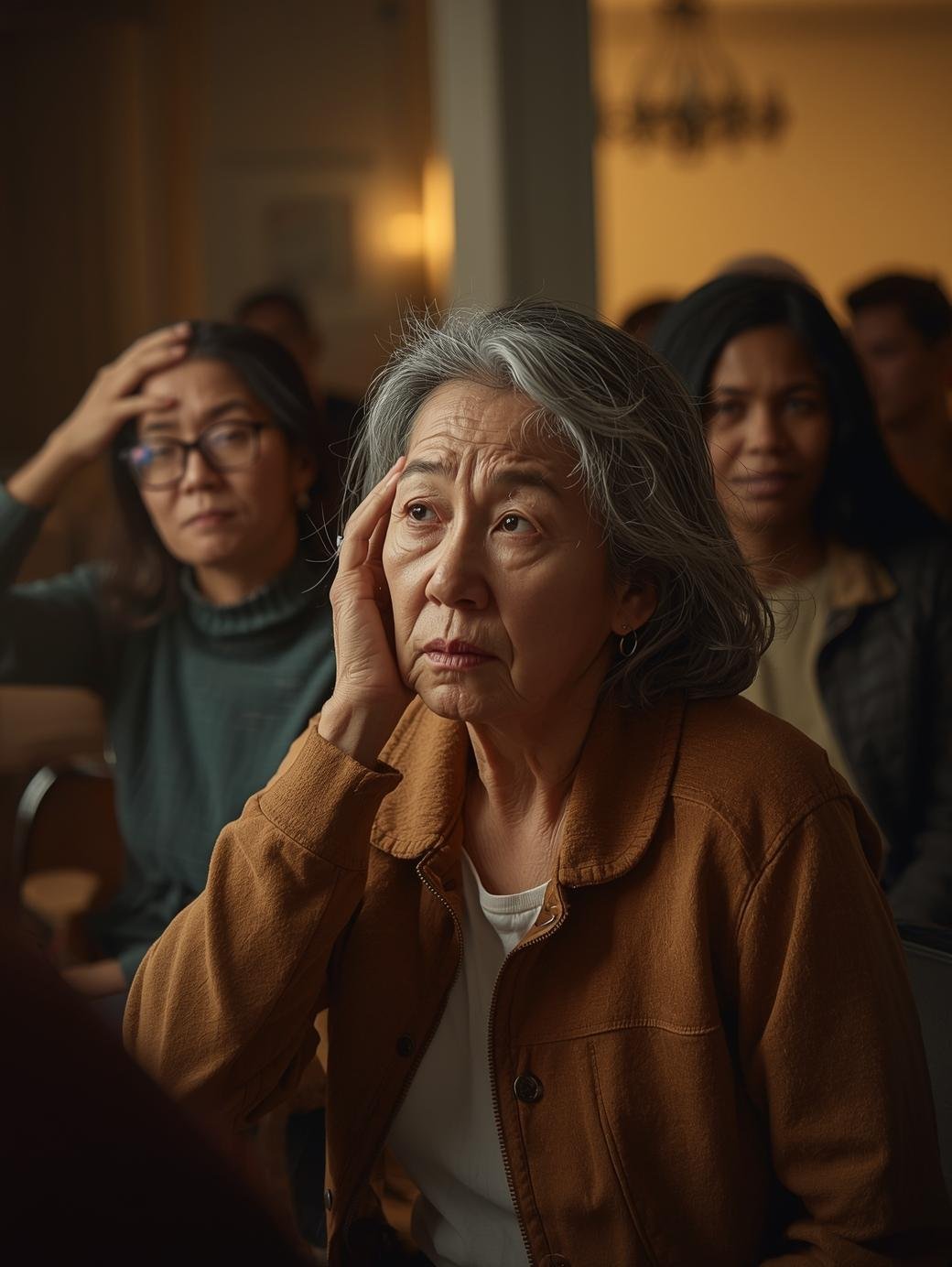
Empowering Minds. Restoring Wellness.
Hello!We believe mental health is a community responsibility. Our program offers education, support, and healing for those facing real-world mental illness.
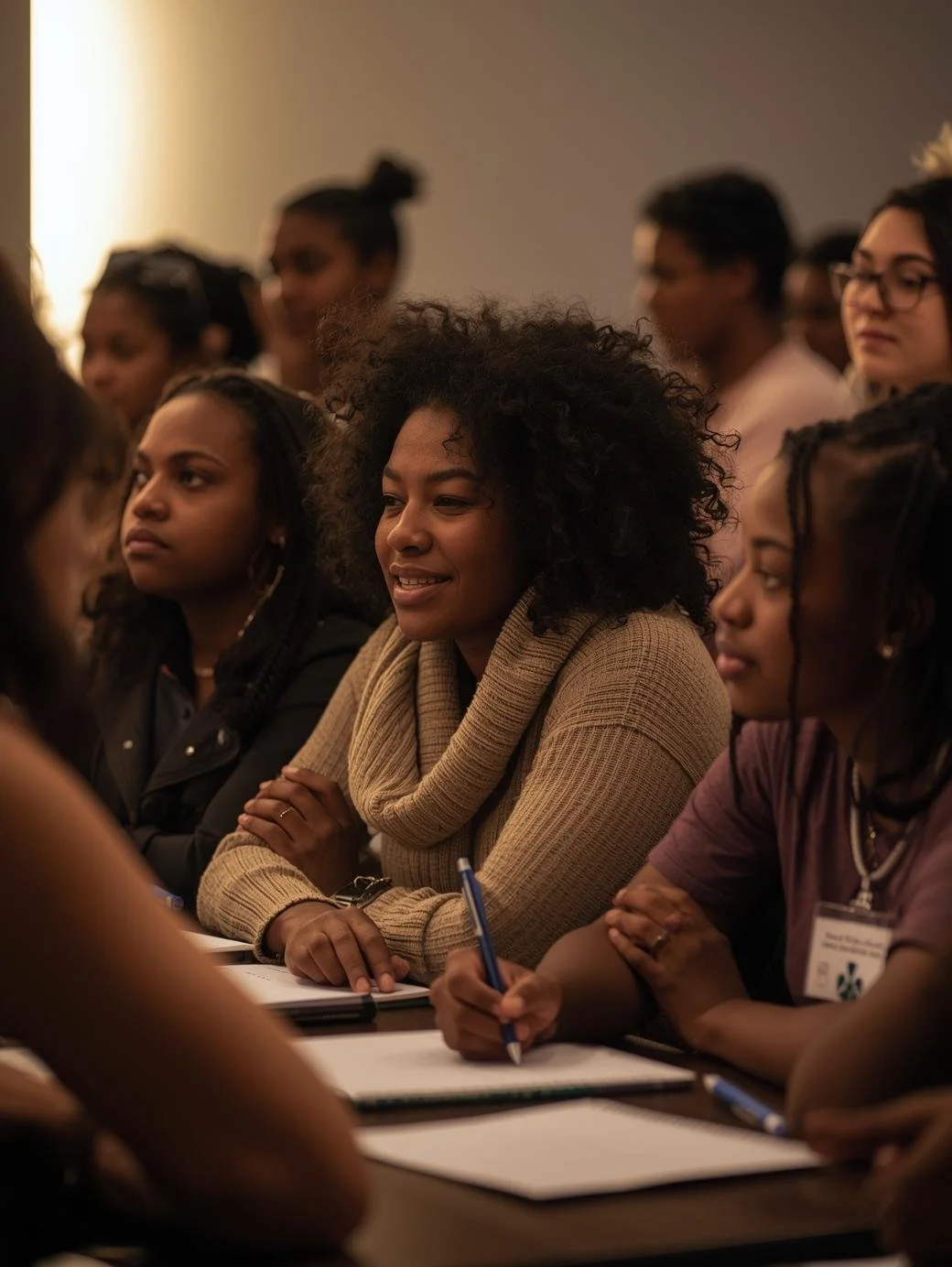
What We Provide
Our Mental Health & Wellness Program is designed to meet the needs of adults and families in underserved communities. We offer:
Virtual anger management classes led by certified coaches
Mental health workshops focused on education and prevention
Community conversations around trauma, healing, and resilience
Resource guides for navigating mental illness and accessing care
Safe spaces for support and connection
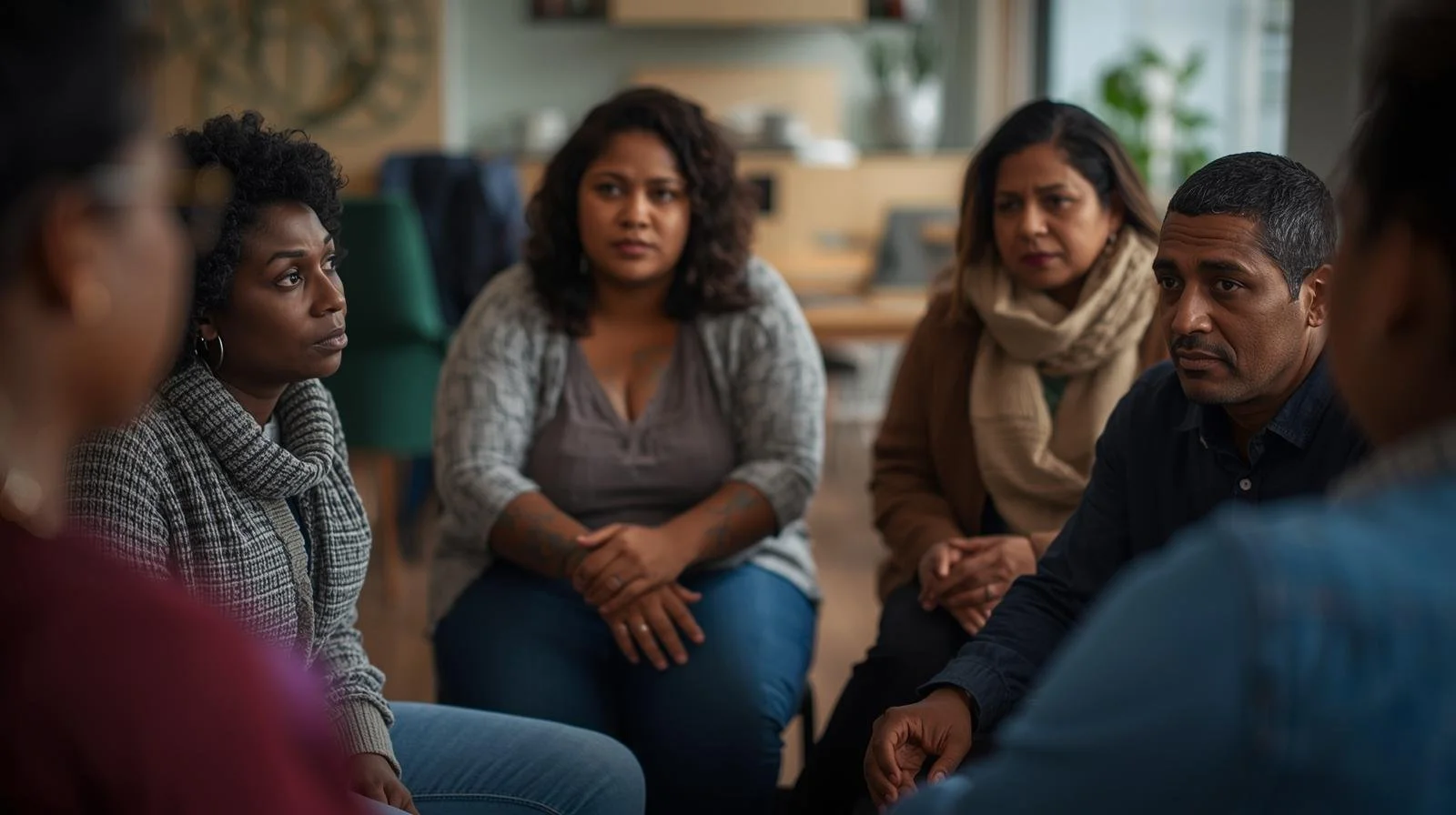
Serving Those Who Need It Most
We serve adults, parents, and young adults in South Dallas and beyond who are navigating
-
A mood disorder that causes persistent sadness, loss of interest, and changes in physical and emotional functioning.
Common Symptoms
Feeling sad or low most days
Loss of interest in activities
Changes in sleep or appetite
Low energy or fatigue
Difficulty concentrating
Feelings of worthlessness
Thoughts of death or suicide
-
A chronic condition involving excessive, hard‑to‑control worry about everyday situations.
Common Symptoms
Excessive worrying
Restlessness or feeling “on edge”
Trouble concentrating
Muscle tension
Irritability
Sleep problems
-
An intense fear of social situations where a person may feel judged, embarrassed, or rejected.
Common Symptoms
Fear of social interactions
Avoiding people or events
Blushing, sweating, trembling
Difficulty speaking in groups
Worrying for days before an event
-
A neurodevelopmental disorder involving inattention, impulsivity, and/or hyperactivity that affects daily functioning.
Common Symptoms
Trouble focusing or staying organized
Forgetfulness
Impulsivity
Fidgeting or restlessness
Difficulty completing tasks
-
A trauma‑related disorder that develops after experiencing or witnessing a traumatic event.
Common Symptoms
Flashbacks or intrusive memories
Avoiding reminders of the trauma
Hypervigilance or being easily startled
Nightmares
Irritability or anger
Emotional numbness
-
A condition involving unwanted intrusive thoughts (obsessions) and repetitive behaviors (compulsions).
Common Symptoms
Repetitive checking, cleaning, or counting
Intrusive thoughts that cause anxiety
Feeling driven to perform rituals
Fear of contamination or harm
-
A mood disorder with cycles of depression and mania (extreme highs).
Common Symptoms
Mania:
Elevated or irritable mood
Increased energy
Decreased need for sleep
Risky behavior
Depression:
Sadness
Low energy
Sleep changes
Loss of interest
-
Behavioral disorders involving persistent patterns of defiance, aggression, or rule‑breaking (more common in children/teens).
Common Symptoms
Frequent temper outbursts
Arguing with adults
Refusing to follow rules
Aggressive behavior
Blaming others for mistakes
-
Serious conditions involving unhealthy eating behaviors and distorted body image.
Common Symptoms
Extreme dieting or food restriction
Binge eating
Purging (vomiting, laxatives)
Intense fear of weight gain
Obsession with body shape
-
A chronic condition involving the misuse of alcohol or drugs despite harmful consequences.
Common Symptoms
Cravings
Loss of control over use
Withdrawal symptoms
Neglecting responsibilities
Continued use despite harm
We meet people where they are — with compassion, education, and real tools for change.
〰️
We meet people where they are — with compassion, education, and real tools for change. 〰️

Education. Support. Prevention.
We don’t just talk about mental health — we teach it. Our approach combines:
01
Culturally
relevant education
02
Hands-on workshops
03
Trauma-informed care
04
Community accountability
05
Faith-based encouragement (when requested)
“We believe healing starts with knowledge, and wellness grows through connection.”
Meet Our Coaches & Facilitators
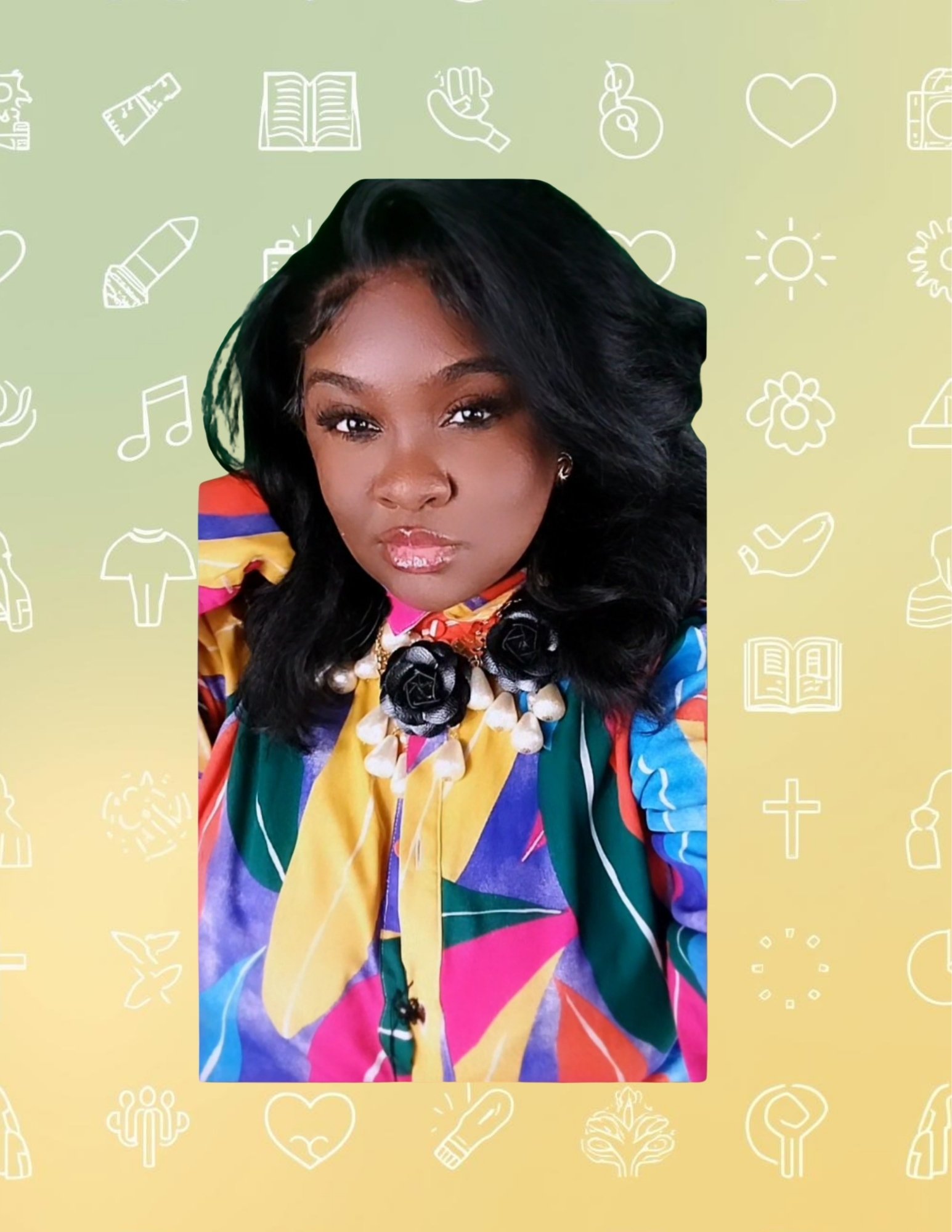
Ij’anna Hamilton
Creative Arts Director
Supports youth emotional wellness through art and expression
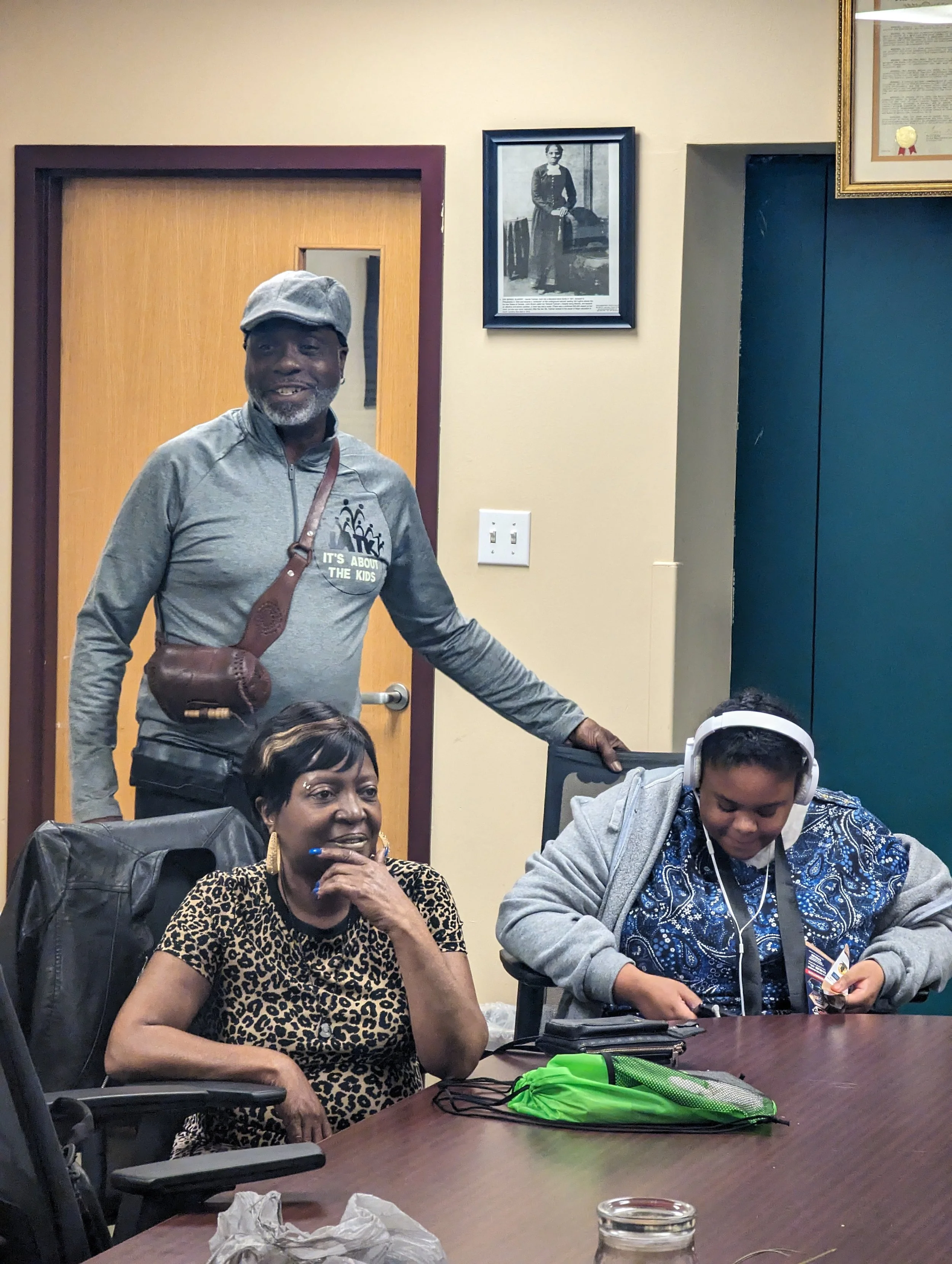
Anger Management and Life CoachBaldwin Hamilton Sr.
Certified, trauma-informed, virtual and in-person sessions
How to Get Involved
Be Part of the Healing
Whether you’re seeking support or want to help others, there’s a place for you here.
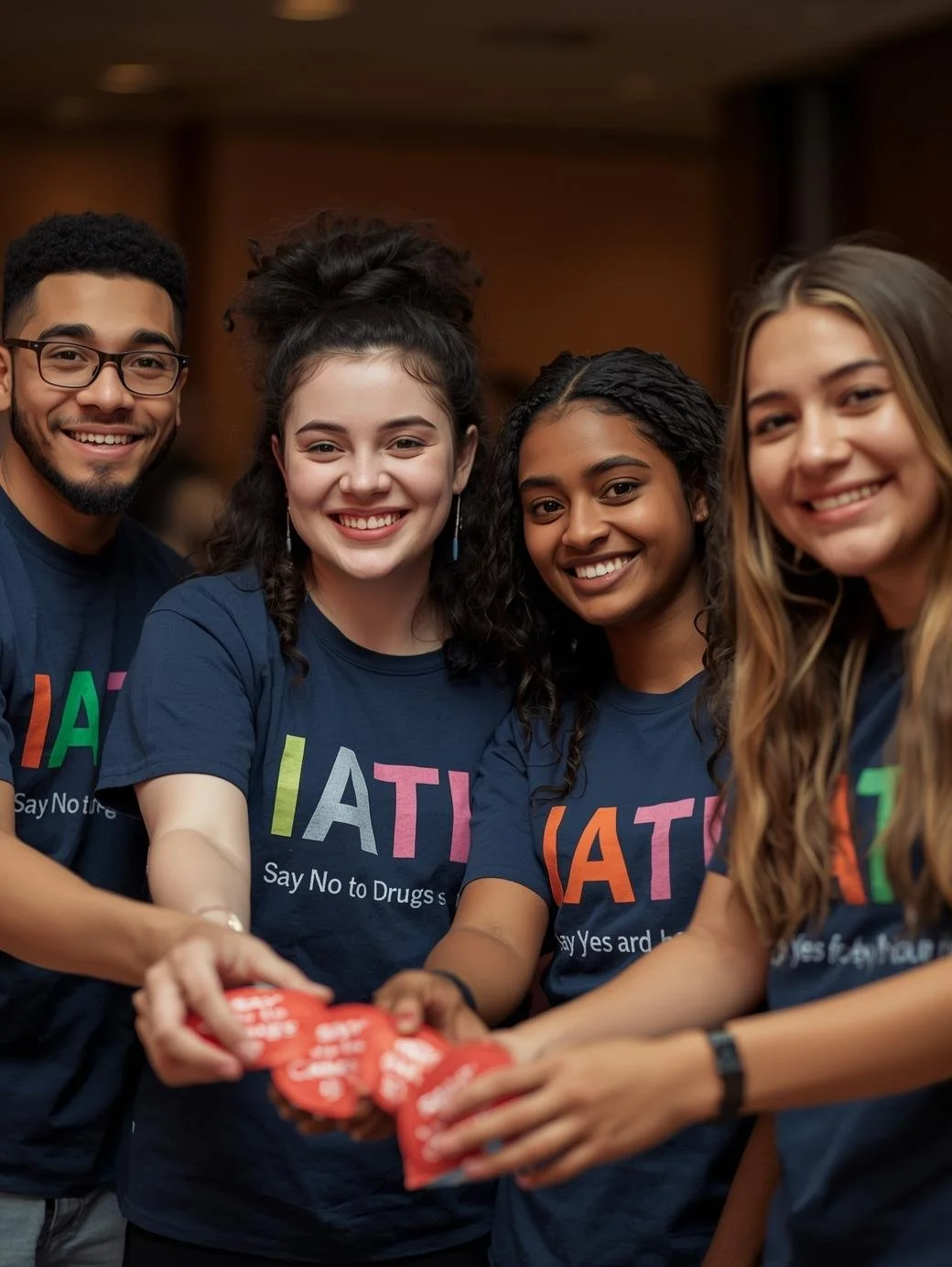
Mental Health Is Community Health
Let’s build a stronger, healthier community— together.